Engineering a Class I, Division 2 Bulk Bag Conditioner for Third-Floor Installation

A globally recognized paint manufacturer required a bulk bag conditioning system capable of restoring compacted supersacks weighing 500 to 2,200 pounds to free-flowing condition while operating within the physical and regulatory constraints of its existing facility.

The system needed to be transported in sections via freight elevator to a third-floor production space, assembled on-site without structural modifications, accommodate taller supersacks, and comply with hazardous location requirements.

Meeting these structural, operational, and safety demands required a solution engineered specifically around the customer’s environment from the outset. The goal was to deliver a hazard-rated conditioning system that fit seamlessly within the facility’s limitations while safely and reliably restoring material flow.
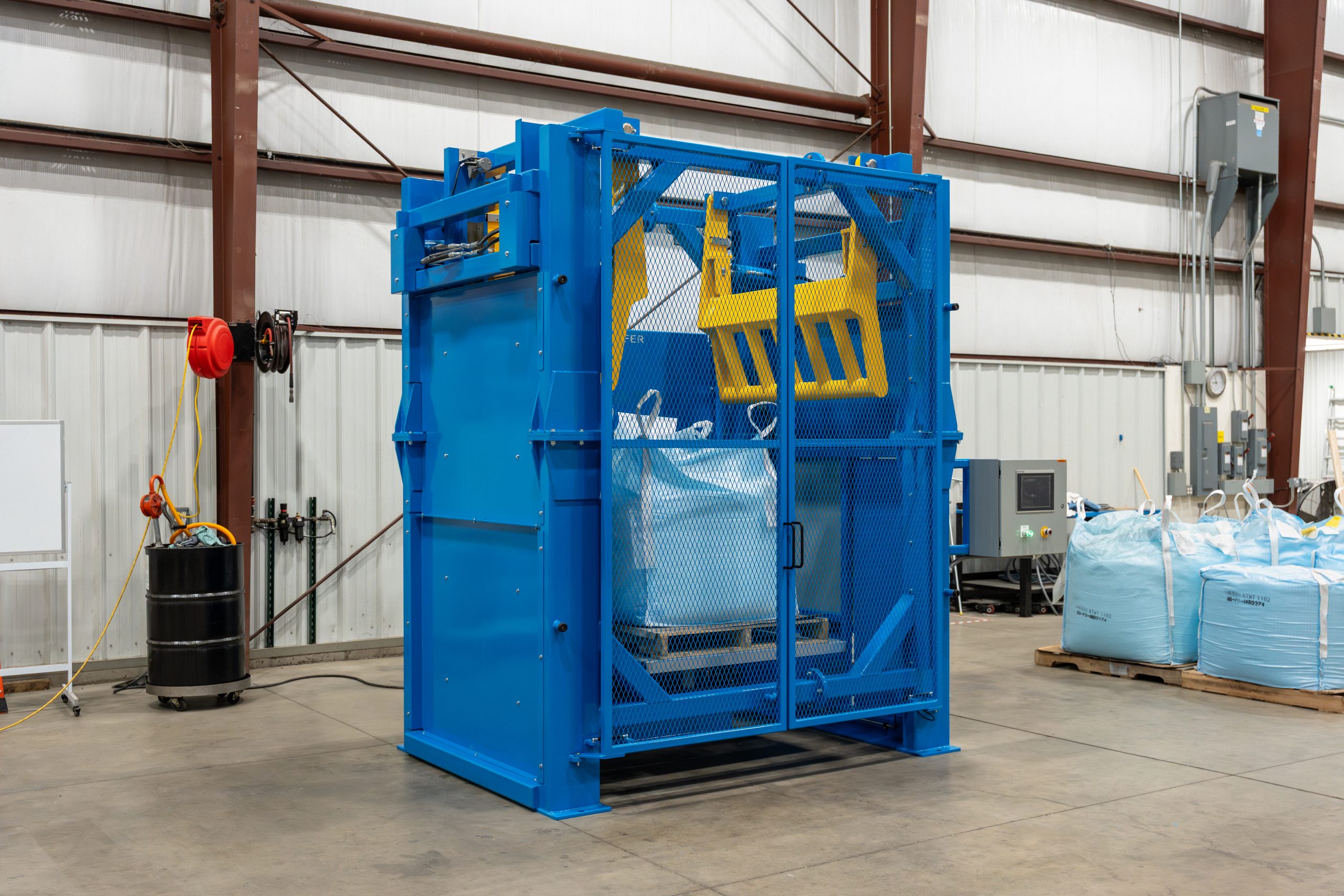
Bulk Bag Conditioner Ac Case Study

Purpose-Built Features for a Demanding Facility Environment
Modular Bulk Bag Conditioner

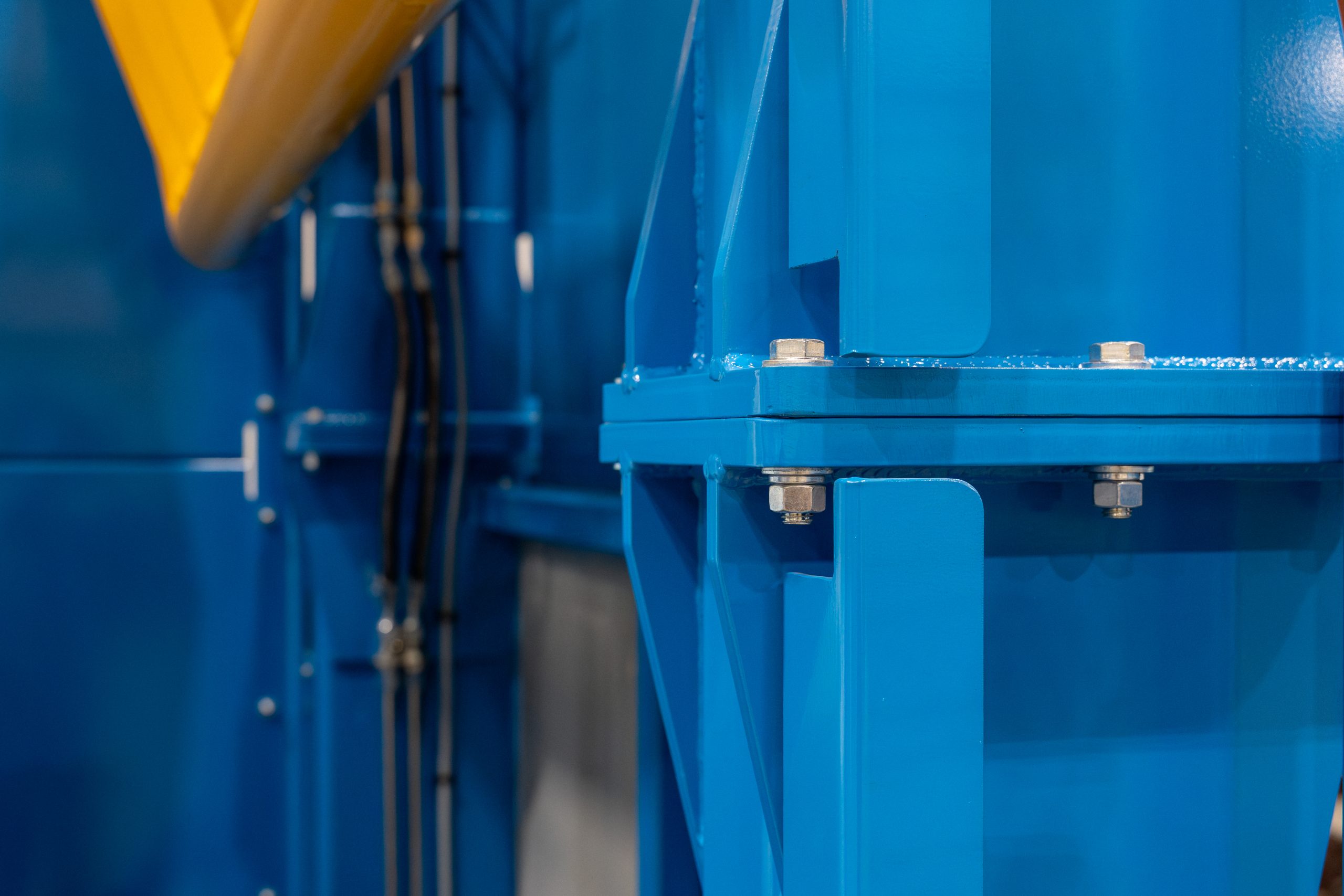
Modular Design Enables Safe 3rd Floor Install

Engineered for facilities with vertical access constraints, the system features a modular four-piece frame designed for transport via freight elevator and on-site assembly. Heavy-duty carbon steel construction ensures structural rigidity, stable operation, and controlled vibration in elevated production environments.

Ul Rated Control Panel

Engineered for Hazardous Locations

Built for Class I, Division 2, Group C & D environments, the system integrates NEMA-rated enclosures, upgraded sensors and controls, and a nitrogen purging system with venting. These elements work together to maintain safety, regulatory compliance, and reliable operation within a classified production space.

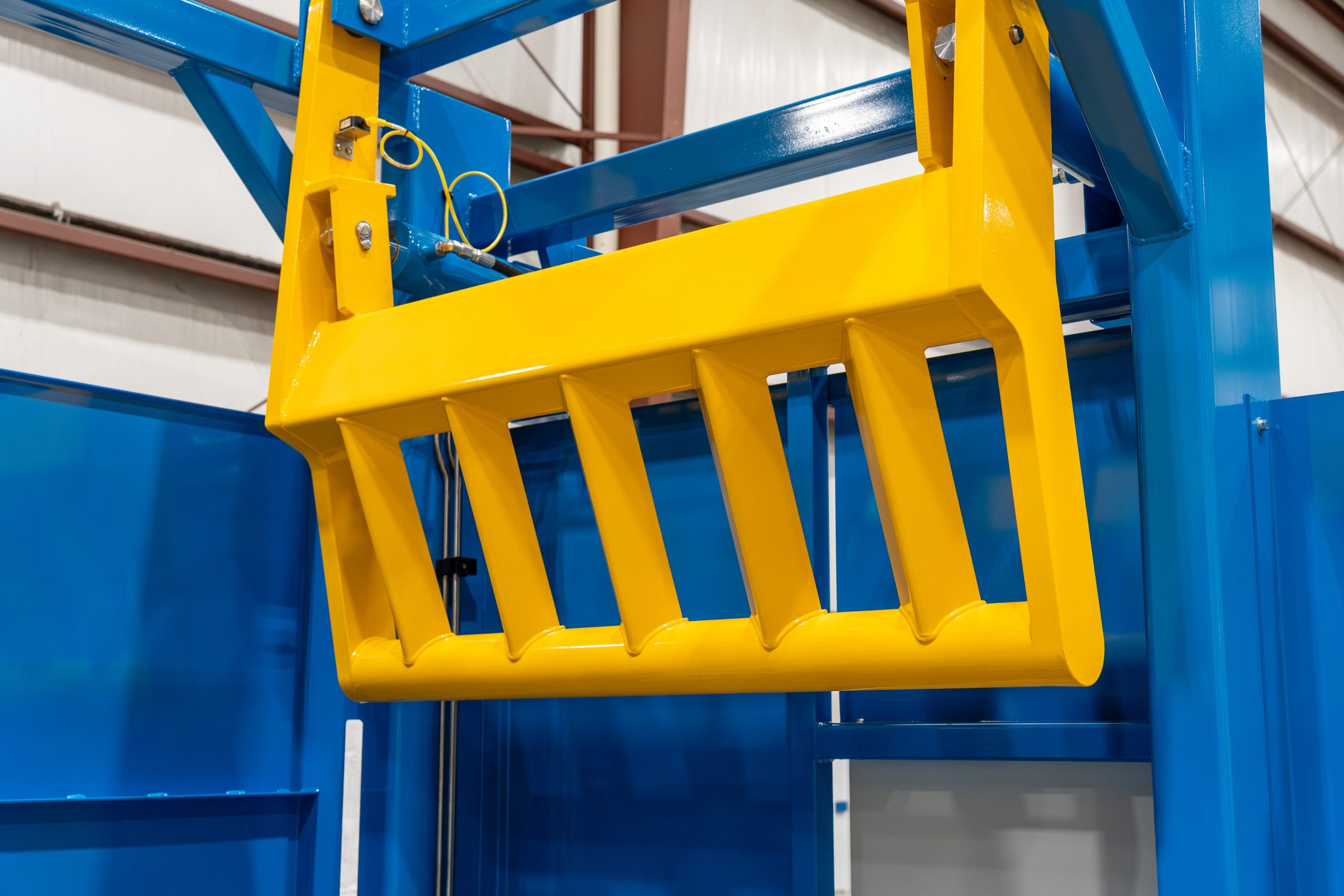
Bulk Bag Conditioner Material Transfer's Massage Arms

Extended-Travel Hydraulic Lift

A 4,000-lb rated hydraulic lift platform with 48 inches of vertical travel positions taller supersacks precisely so conditioning arms can target compacted zones at multiple elevations. This enables a thorough material breakdown and restores a consistent, free-flowing product without manual intervention.